
That growing interest is pushing households and offices away from energy-hungry machines and single-use pods. Sustainable brewing cuts plastic waste, trims energy bills, and often supports fair-trade sourcing — without sacrificing flavor.
This guide breaks down nine standout eco-friendly coffee machines, from zero-electricity manual brewers to smart office systems built for lower waste.
TL;DR
- Sustainable coffee machines cut plastic pod waste, energy use, and water use versus standard models
- Low-waste picks range from manual brewers (AeroPress, French press) to efficient espresso and biodegradable-pod systems
- Offices can build eco-friendly coffee programs through providers offering Fair Trade beans and compostable cups
- Compare machines on materials, energy use, waste reduction, and durability before you buy
What Makes a Coffee Machine "Sustainable"?
Not every "green" claim holds up. A genuinely sustainable coffee machine typically checks these boxes:
- Low standby draw, on-demand heating, or no electricity at all
- Stainless steel, glass, and compostable pods instead of single-use plastics
- Fewer disposable filters, pods, and excess packaging
- Fair Trade beans or transparent supply chains
US workplaces increasingly look for ENERGY STAR ratings, Fair Trade certification, and compostable materials before buying. Qualified commercial coffee brewers under ENERGY STAR run 27% more efficiently than standard models (ENERGY STAR), a clear benchmark when comparing break room equipment.

Below are nine machines and solutions that meet these standards, from compact countertop units to full break room setups.
Top 9 Environmentally Friendly and Sustainable Coffee Machines
Each pick was evaluated on energy efficiency, waste reduction, material sourcing, durability, and value for home or office use.
CDS Refresh – Sustainable Office Coffee Solutions
CDS Refresh has served the DFW Metroplex since 1999, building customized office coffee programs alongside its micro-market and vending services. Rather than selling a single machine, CDS Refresh consults directly with businesses to design a coffee setup that matches their sustainability goals.
The company prioritizes Fair Trade coffee and tea, along with compostable and biodegradable cups whenever possible, sourced through premium brand partnerships including Starbucks, Lavazza, Peet's, and Pelican Rouge.
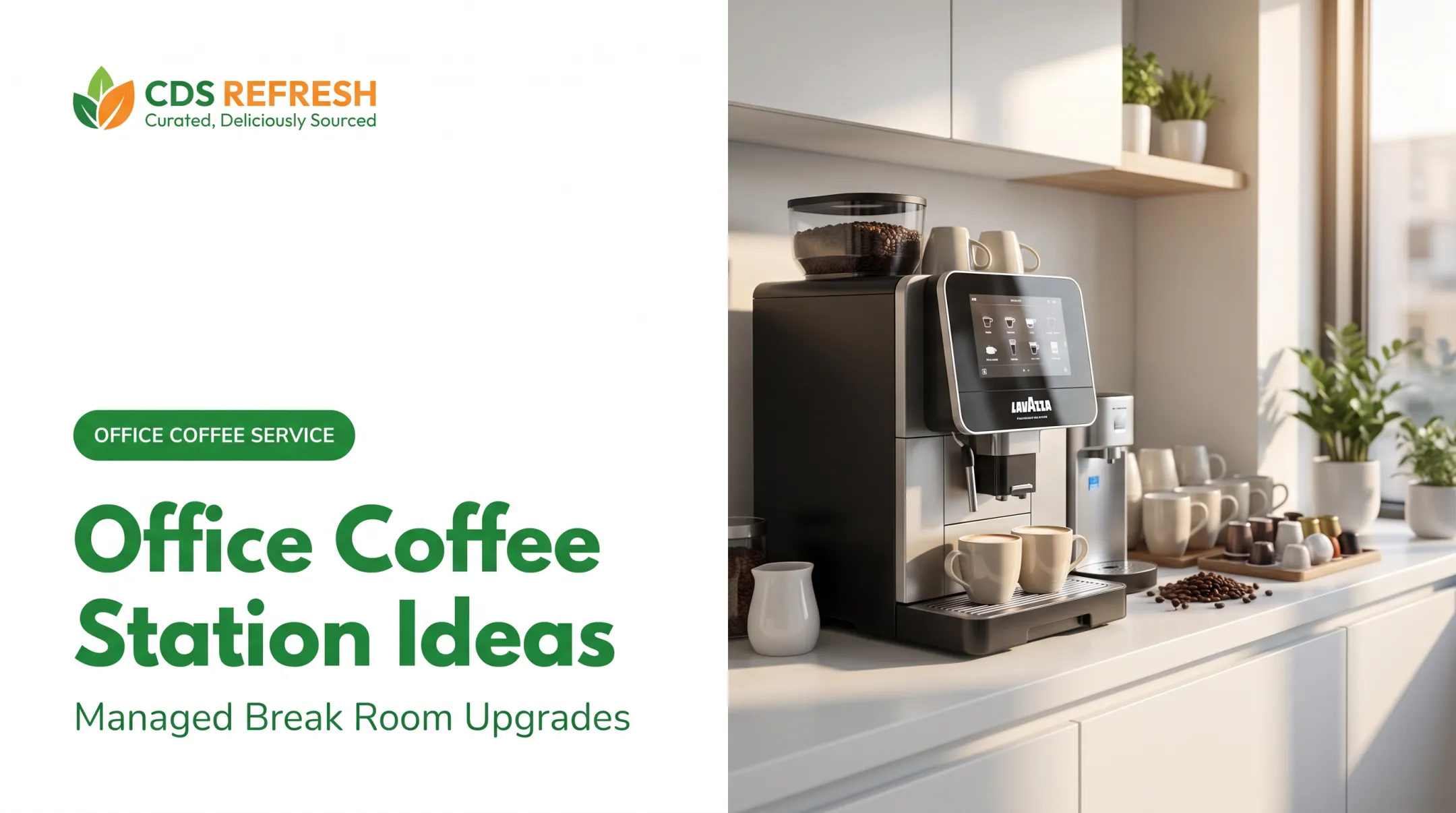
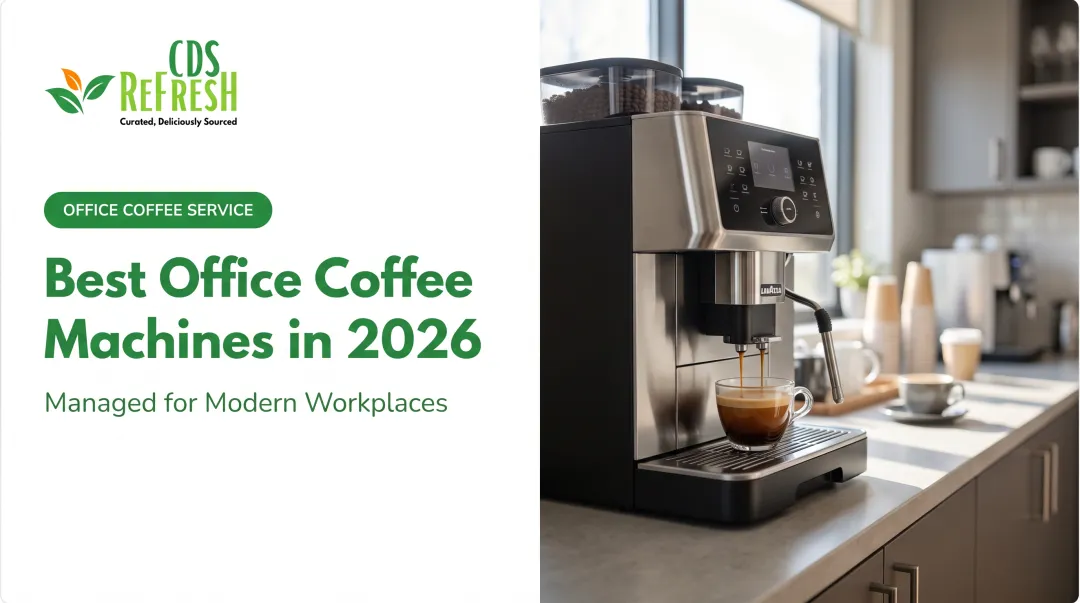
Equipment options such as the Lavazza Expertine, Cafection Encore 29, and Enova X9 feature energy-efficient LED lighting and remote monitoring that helps cut unnecessary energy use.
| Best For | Eco-Features | Service Area |
|---|---|---|
| Corporate offices, logistics hubs, schools | Fair Trade beans, compostable cups, LED-equipped brewers | DFW Metroplex & Abilene |

Bruvi
Bruvi built its single-serve system around reducing plastic waste tied to standard pods. Its B-Pods use a treated outer cup designed for faster landfill biodegradation.
Bruvi reports 63% biodegradation in 577 days for the treated cup versus just 2% for untreated polypropylene, and 84% biodegradation of the entire pod at 534 days under ASTM D5511 testing (Bruvi).
These pods are designed for landfill disposal, not home composting. That matters if you want a true zero-waste kitchen.
| Best For | Eco-Features | Price Tier |
|---|---|---|
| Convenience seekers | Faster-biodegrading pods | Mid-to-premium |
AeroPress
This manual brewer needs zero electricity and produces almost no waste beyond used coffee grounds. AeroPress confirms its paper micro-filters are recyclable and compostable, and its reusable option uses food-safe 316 stainless steel (AeroPress).
It's compact, nearly indestructible, and works for everything from cold brew to espresso-style shots.
| Best For | Eco-Features | Price Tier |
|---|---|---|
| Home & travel | No electricity, reusable filters | Budget-friendly |
French Press
The classic plunger brewer skips paper filters and disposable capsules entirely. Bodum's CHAMBORD model uses heat-resistant borosilicate glass and stainless steel, so the only ongoing waste is the spent grounds.
No power cord. No pods. Just grounds and hot water.
| Best For | Eco-Features | Price Tier |
|---|---|---|
| Simplicity | No filters, no electricity | Budget-friendly |
TopBrewer
Scanomat's built-in TopBrewer system uses flash-heater technology, warming only the water needed at the moment of brewing instead of keeping a tank hot all day. The company states the unit is built from 75% recyclable stainless steel and aluminum.
It's a sleek, premium option for eco-conscious commercial spaces. Buyers should confirm energy specs directly with Scanomat, since third-party efficiency percentages aren't publicly documented.
| Best For | Eco-Features | Price Tier |
|---|---|---|
| Premium offices/homes | Flash-heat efficiency, recyclable build | Premium |

Gaggia La Solare
This commercial-grade espresso machine targets eco-conscious small businesses. It runs on stainless steel heating components and includes automated rinsing cycles that help extend equipment lifespan — meaning fewer machines end up as e-waste.
Durability matters here: components built to last reduce the total environmental footprint over a machine's life, even if exact standby-power figures aren't independently published.
| Best For | Eco-Features | Price Tier |
|---|---|---|
| Small businesses | Durable steel components, automated maintenance cycles | Mid-to-premium |
Wacaco Minipresso
This pocket-sized espresso maker runs on hand power alone: no electricity, no battery, confirmed directly by Wacaco. It's built partly from biomass-based polymers alongside stainless steel and silicone, with a 12-month manufacturer warranty.
Perfect for road trips, hiking, or any scenario where you want great coffee without plugging in or tossing a pod.
| Best For | Eco-Features | Price Tier |
|---|---|---|
| Travel/outdoor use | No pods, manual pump, biomass-based materials | Budget-friendly |
OutIn Nano
This rechargeable portable espresso machine uses a 2,500mAh USB-C battery, delivering up to 200 brews per charge using hot water. It heats water to 92°C and extracts at 20 bars in about 200 seconds. Quick, efficient, and reusable indefinitely.
Because it heats only what's needed per shot, it avoids the standby energy waste common in plug-in machines.
| Best For | Eco-Features | Price Tier |
|---|---|---|
| Eco-conscious travelers | Rechargeable battery, on-demand heating | Mid-tier |

ROK Presso
ROK's lever-operated espresso maker runs entirely without electricity, using an aluminum frame and stainless steel components. No pump, no heating element, no standby power draw. Just mechanical pressure from your arm.
ROK backs its Presso line with a 2-year warranty and offers spare parts for self-repair, which extends the machine's life well beyond typical electric models.
| Best For | Eco-Features | Price Tier |
|---|---|---|
| Home baristas | No electricity, repairable design | Mid-tier |
How We Chose the Best Sustainable Coffee Machines
Most buyers make one common mistake: judging a machine purely on price tag or brand name, while ignoring what happens after purchase — the ongoing waste and energy costs.
Our evaluation criteria:
- Material sustainability — recyclable, compostable, or biodegradable components
- Energy efficiency — standby draw, on-demand heating, or zero-electricity operation
- Waste reduction — pods, filters, and packaging generated per cup
- Durability and repairability — parts availability and expected lifespan
- Supplier transparency — verifiable claims, not vague marketing language
For workplace coffee programs, the machine is only half the equation. Fair-trade beans, compostable cups, and vendor consulting that matches equipment to your sustainability goals matter just as much as the brewer itself.
Conclusion
Choosing a sustainable coffee machine means weighing environmental impact, coffee quality, and long-term cost together. A cheaper machine that burns through plastic pods daily often costs more, environmentally and financially, than a pricier, durable alternative.
Before buying, ask yourself: What waste does this machine generate every single day? How much energy does it draw when it's just sitting there? Those questions matter more than the sticker price.
For DFW-area businesses ready to build an eco-friendly break room, CDS Vending offers customized office coffee and refreshment solutions tailored to your sustainability goals. Reach the team at 214-618-0624 or FrontDesk@CDSVending.com to get started.
Frequently Asked Questions
What are the most environmentally friendly coffee machines?
Manual brewers like the AeroPress and French press top the list, since they need no electricity and produce minimal waste. Energy-efficient espresso machines built from recyclable materials, like the ROK Presso, are close runners-up.
Are there coffee machines that don't use plastic?
Yes. Manual brewers such as the French press (glass and stainless steel) and lever espresso makers like ROK Presso are largely plastic-free. Stainless-steel-filter drip machines also avoid disposable plastic filters.
What is the most non-toxic coffee machine?
Manual glass or stainless-steel brewers generally rank safest, since they avoid heated plastics and chemical linings found in some electric machines. The French press and AeroPress (with steel filters) are solid choices here.
How can offices make their coffee service more sustainable?
Offices can prioritize Fair Trade sourcing, switch to compostable cups, and partner with providers offering energy-efficient equipment. Working with a vendor that customizes the whole break room setup, not just the machine, delivers stronger long-term results.
Do compostable coffee pods actually break down?
Compostable pods typically break down faster than standard plastic or aluminum pods, but they need proper composting conditions to fully decompose. Landfill-biodegradable options like Bruvi's B-Pods follow a different process than certified home or industrial composting.
Are manual coffee makers better for the environment than electric ones?
Generally yes for individual use: manual brewers eliminate electricity draw and often cut single-use waste. That said, lifecycle studies show the full picture depends on packaging and disposal too, not just the brewing method itself.